Reiseführer Innenstadt von Solo: 2026 das Beste in Innenstadt von Solo entdecken
Surakarta
Aktivitäten in Innenstadt von Solo
Übernachte in der Nähe beliebter Attraktionen in Innenstadt von Solo
Top-Hotels in Innenstadt von Solo

Novotel Solo
Jalan Slamet Riyadi 272 Surakarta Central Java
Der Preis beträgt 33 € pro Nacht vom 29. Sept. bis zum 30. Sept.
33 €
29. Sept.–30. Sept.
inkl. Steuern & Gebühren
Dieses Hotel mit Wellnessangebot bietet dir einen angenehmen Aufenthalt in Surakarta. Freu dich auf WLAN-Internetzugang (kostenlos), Parken ohne Service (kostenlos) ...
8,2/10 Sehr gut! (122 Bewertungen)
Gutes Hotel, will mehr sein als es ist
"super Frühstück, netter Pool, Zimmer gut, nicht mehr ganz neu"
Bewertet am 6. Aug. 2018

The Royal Surakarta Heritage - Handwritten Collection
Jalan Slamet Riyadi No. 06 Surakarta Central Java
Der Preis beträgt 31 € pro Nacht vom 15. Sept. bis zum 16. Sept.
31 €
15. Sept.–16. Sept.
inkl. Steuern & Gebühren
Dieses Hotel im luxuriösen Stil bietet dir einen angenehmen Aufenthalt in Surakarta. Freu dich auf WLAN-Internetzugang (kostenlos), Parken ohne Service (kostenlos) ...
ibis Styles Solo
Jalan Gajah Mada 23 Surakarta Central Java
Der Preis beträgt 22 € pro Nacht vom 15. Sept. bis zum 16. Sept.
22 €
15. Sept.–16. Sept.
inkl. Steuern & Gebühren
Dieses Hotel mit Wellnessangebot bietet dir einen angenehmen Aufenthalt in Surakarta. Freu dich auf WLAN-Internetzugang (kostenlos), Parken ohne Service (kostenlos) ...
8,2/10 Sehr gut! (109 Bewertungen)
"Our deluxe room was OK, clean and bright although some black spots on the walls could be seen. Also horrible noise that disturbed us was loud music from the bar of the Novotel Hotel which started from 10.00 pm to 2 am every night. We informed the Ibis staffs about the noise, but no changes."
Bewertet am 11. Juli 2019

Horison Inn Laksana Solo
Jl Teratai 2 no. 11, Mangkubumen Surakarta Central Java
Dieses Hotel bietet dir einen angenehmen Aufenthalt in Surakarta. Freu dich auf WLAN-Internetzugang (kostenlos), Parken ohne Service (kostenlos) und Frühstück ...
6/10 (7 Bewertungen)
"It was a super bad experience staying there. At sround 2.06 pm, they said that the room was not ready! That didn't make sense at all. Then they gave a smoking room!!!! Which smelled totally terrible! Inside the room, of course there were some coffee and tea, but guess what? Yuup! No electric water ..."
Bewertet am 22. März 2026
FIM by Zigna
31 Jl. Yosodipuro Surakarta Jawa Tengah
Der Preis beträgt 25 € pro Nacht vom 16. Sept. bis zum 17. Sept.
25 €
16. Sept.–17. Sept.
inkl. Steuern & Gebühren
Dieses Hotel mit Wellnessangebot bietet dir einen angenehmen Aufenthalt in Surakarta. Freu dich auf WLAN-Internetzugang (kostenlos), Parken ohne Service (kostenlos) ...
9,4/10 Hervorragend! (6 Bewertungen)
"The hotel is an excellent place to stay. The hotel itself is not special or fancy, but it is well-run, clean, and located in the center of Solo. The breakfast buffet is excellent, the restaurant is good, and the hotel also has a nice cafe with an outside seating area. They featured life music at ..."
Bewertet am 19. Juli 2025

Loji Hotel Solo by Wstay
Jl. Hasanudin 134, Surakarta Surakarta Central Java
Der Preis beträgt 14 € pro Nacht vom 29. Sept. bis zum 30. Sept.
14 €
29. Sept.–30. Sept.
inkl. Steuern & Gebühren
Dieses Hotel mit Wellnessangebot bietet dir einen angenehmen Aufenthalt in Surakarta. Freu dich auf WLAN-Internetzugang (kostenlos), Wellnessbereich und Frühstück ...
7,2/10 Gut! (17 Bewertungen)
"The room and bed were big and comfortable, but no fridge and no safebox. Breakfast was really good, though. The hotel is very close to the Balapan train station, which is nice. It’s a decent budget place, but what makes me unable to recommend is because how dangerous the roads are around the hotel. ..."
Bewertet am 12. Sept. 2025
Dies ist der niedrigste Preis pro Nacht für 1 Übernachtung von 2 Erwachsenen, der in den letzten 24 Stunden gefunden wurde. Preise und Verfügbarkeiten können sich ändern. Es können zusätzliche Bedingungen gelten.
Verfügbarkeit von Hotels in Innenstadt von Solo prüfen
Unterkünfte in Innenstadt von Solo
Entdecke, welche Viertel in Innenstadt von Solo sich am besten für die Aktivitäten eignen, die du am liebsten machst.
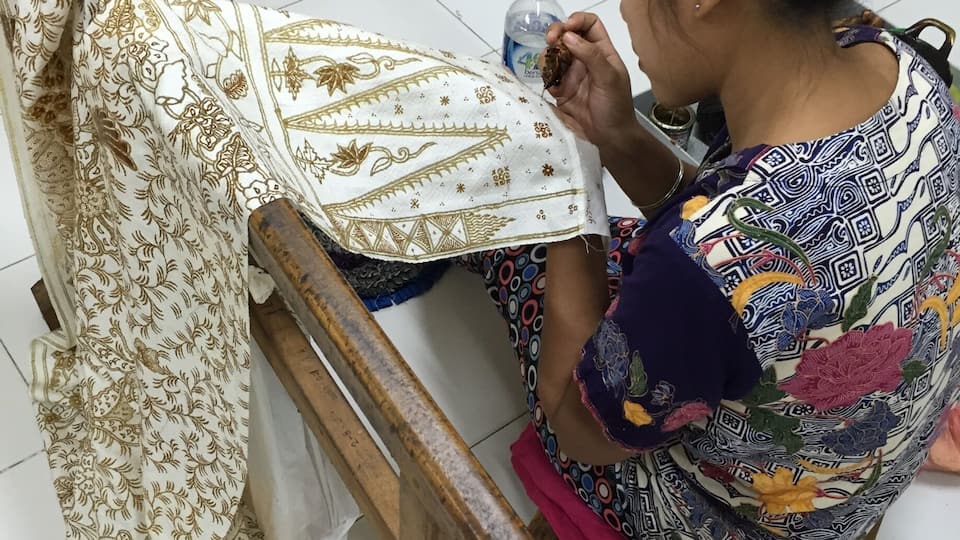
Foto von Sharrie Shaw
Öffentliches Foto von Sharrie Shaw
Banjarsari
Während deines Besuchs in Banjarsari solltest du Sehenswürdigkeiten wie Solo Paragon Lifestyle Mall und Balekambang-Park einen Besuch abstatten.
Laweyan
In Laweyan mag es zwar nicht viele Sehenswürdigkeiten geben, in der Nähe kannst du jedoch trotzdem Top-Attraktionen wie Solo Square und Solo Paragon Lifestyle Mall finden.