Sehenswürdigkeiten in Zentral-Java
Aktivitäten, Sehenswürdigkeiten und Touren
Aktivitäten in Zentral-Java


- Aktivitäten entdeckenEntdecke Tausende von Erlebnissen, von Aktivitäten und Attraktionen bis hin zu Tagestouren und Transfers.
- Reibungslos buchenÜberspringe die Warteschlange – buche Tickets für die Top-Attraktionen in wenigen Minuten online und storniere die Tickets für viele Aktivitäten kostenlos.
- Gönn dir etwasMitglieder sparen % oder mehr bei der Buchung von Aktivitäten.
Beliebte Sehenswürdigkeiten in Zentral-Java

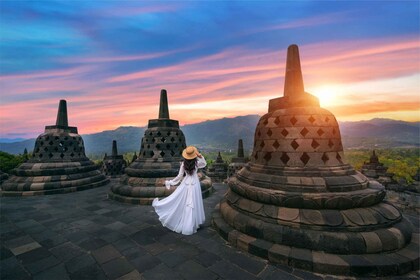
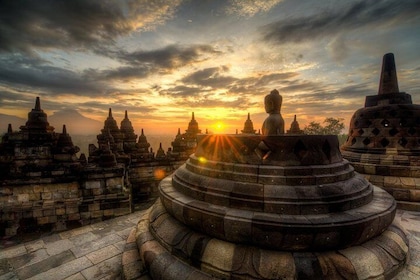
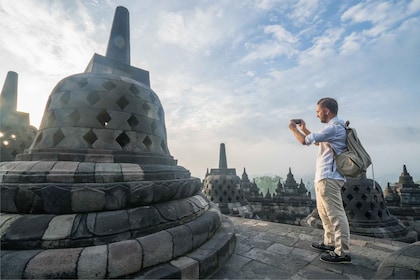
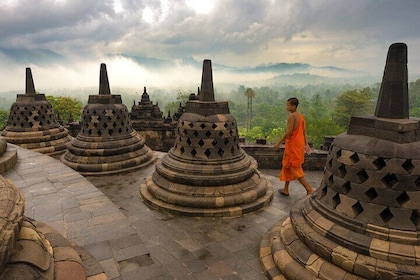
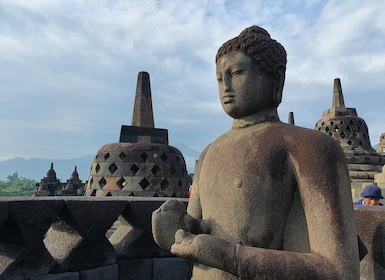
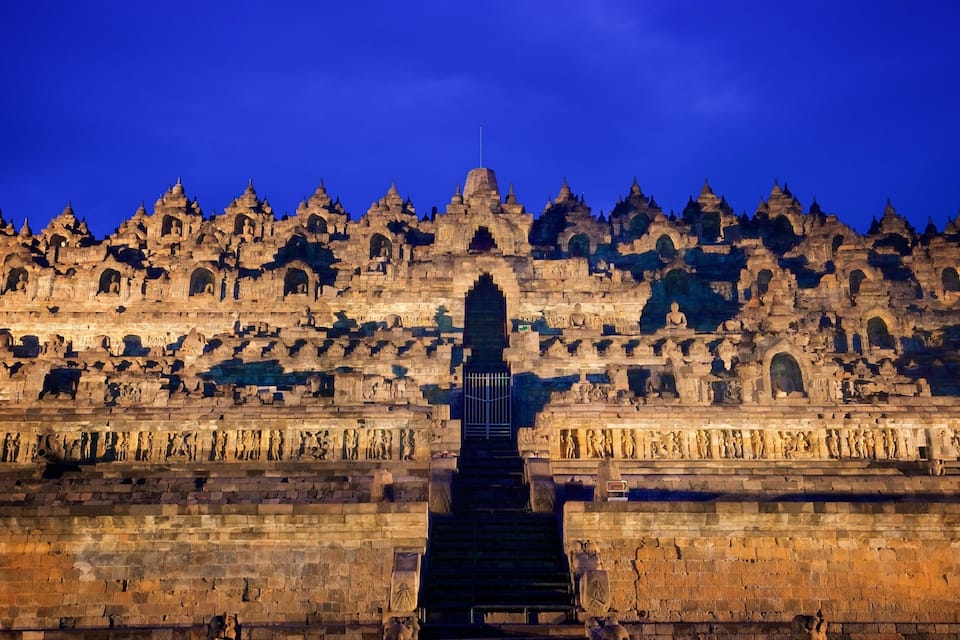
Borobudur Tempel
Borobudur Tempel ist nur eine Sehenswürdigkeit von vielen, die einen Besuch lohnt, während du in Borobudur bist. Also plane ruhig genug Zeit für weitere Erkundungstouren ein. Nimm dir während deines Aufenthalts in dieser Gegend auch unbedingt Zeit für die Tempel vor Ort.

Simpang Lima Park
Simpang Lima Park, eine grüne Oase in Semarang, lädt zu einem entspannten Spaziergang inmitten der Natur ein. Nimm dir während deines Aufenthalts in dieser Gegend auch unbedingt Zeit für die Einkaufsmöglichkeiten vor Ort.

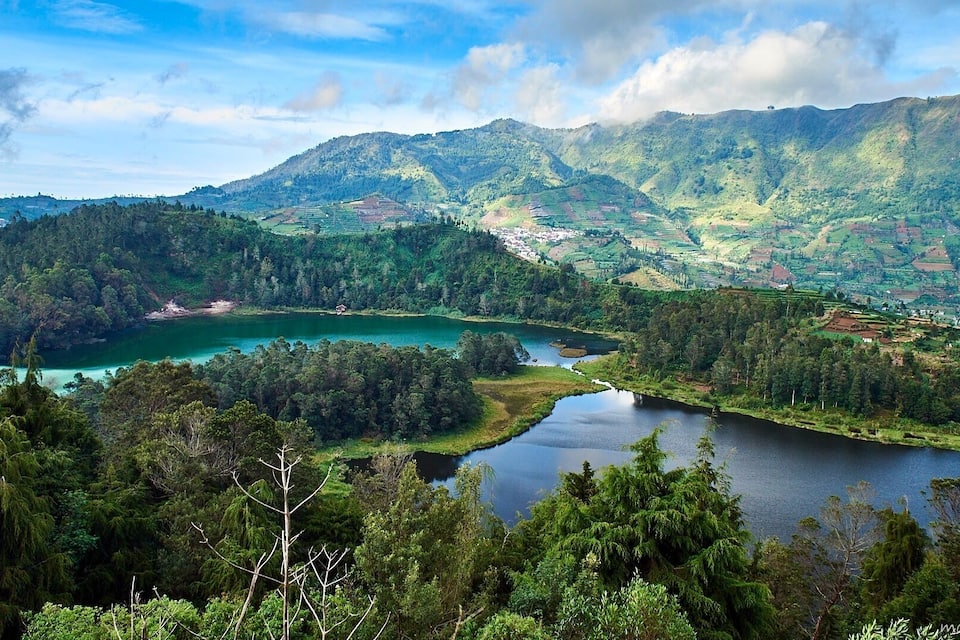
Dieng-Hochland
Geschichte gehört zu einem Besuch in Dieng einfach dazu. Ein Besuch von Dieng-Hochland bringt dir die Vergangenheit des Ortes etwas näher. Entdeck die Sonnenaufgänge und die Thermalquellen der Gegend.

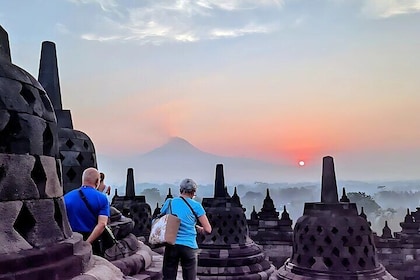
Punthuk Setumbu Hügel
Ein Besuch von Punthuk Setumbu Hügel kann dich viel über die interessante Vergangenheit von Borobudur lehren. Nimm dir während deines Aufenthalts in dieser Gegend auch unbedingt Zeit für die Tempel vor Ort.

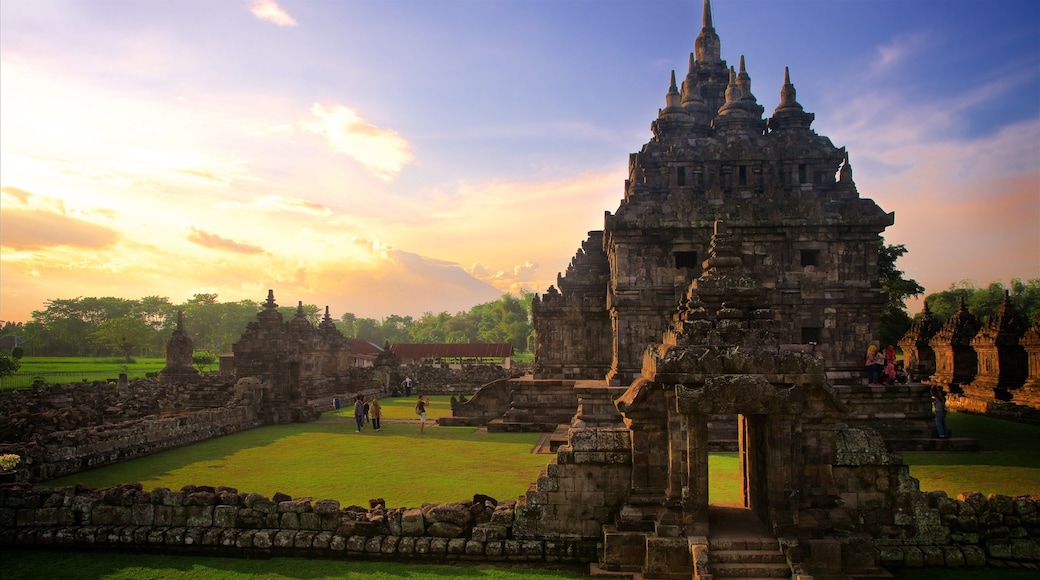
Mendut-Tempel
Nachdem du Mendut-Tempel einen Besuch abgestattet hast, solltest du auch die weiteren Sehenswürdigkeiten und Aktivitäten in Mendut nicht außer Acht lassen. Nimm dir während deines Aufenthalts in dieser Gegend auch unbedingt Zeit für die Tempel vor Ort.

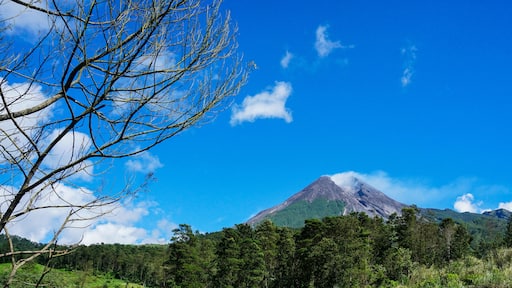
Nationalpark Mount Merbabu
Staune über die vielfältige Pflanzenwelt von Nationalpark Mount Merbabu, einer bezaubernden grünen Oase in Getasan. Mach einen Spaziergang durch den Wald und durch die Gärten, während du vor Ort bist.
Paragon City Mall Semarang
Du bist auf der Suche nach einer tollen Shoppingmöglichkeit in Semarang? Paragon City Mall Semarang ist der ideale Ort, um nach Mitbringseln für daheim zu suchen. Mach einen Spaziergang am Jachthafen oder besuche die Tempel der Gegend.
Platz von Kebumen
Ein Abstecher zu Platz von Kebumen kann dich viel über die Geschichte von Kebumen lehren. Schlender am Strand entlang oder erkunde die Thermalquellen in der Gegend.
Diponegoro University
Bei einem Aufenthalt in Tembalang bietet sich auch eine Tour über den Campus von Diponegoro University an. Spazier durch Chinatown, während du in der Gegend bist.
Zentral-Java erkunden
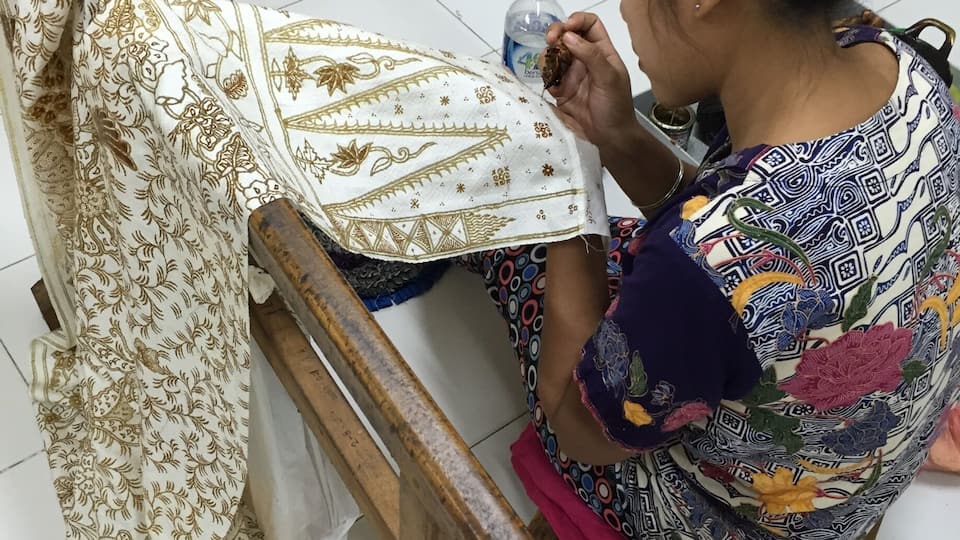
![At the museum no photos are allowed which is really unfortunate as it was well worth the visit and the guided tour is definitely not to be missed. In the museum there are even Batik made from the Dutch era which depicts stories like Little Red Riding Hood and Snow White!
I enjoyed the tour v much and at the end of the tour we were brought to this room where the artisan were working on hand drawn batik.
Below is an excerpt from Wikipedia for anyone interested in learning more about the process of batik making.
Firstly, a cloth is washed, soaked and beaten with a large mallet. Patterns are drawn with pencil and later redrawn using hot wax, usually made from a mixture of paraffin or bees wax, sometimes mixed with plant resins, which functions as a dye-resist. The wax can be applied with a variety of tools. A pen-like instrument called a canting (IPA: [tʃantiŋ], sometimes spelled with old Dutch orthography tjanting) is the most common. A canting is made from a small copper reservoir with a spout on a wooden handle. The reservoir holds the resist which flows through the spout, creating dots and lines as it moves. For larger patterns, a stiff brush may be used. Alternatively, a copper block stamp called a cap (IPA: [tʃap]; old spelling tjap) is used to cover large areas more efficiently.
After the cloth is dry, the resist is removed by scraping or boiling the cloth. The areas treated with resist keep their original color; when the resist is removed the contrast between the dyed and undyed areas forms the pattern. This process is repeated as many times as the number of colors desired.
The most traditional type of batik, called batik tulis](https://images.trvl-media.com/place/6224808/26fd1460-c65a-4c1a-9444-7a893e883ac9.jpg?impolicy=fcrop&w=350&h=192&q=medium)
Innenstadt von Solo
Genieße Innenstadt von Solo sowie seine Museen und seinen Zoo. Nimm dir auch Zeit, Sehenswürdigkeiten wie Solo Paragon Lifestyle Mall oder Keprabon Park einen Besuch abzustatten.
West Semarang
Auch wenn West Semarang nicht viele Top-Sehenswürdigkeiten beherbergt, sind Lawang Sewu und DP Mall Semarang doch bemerkenswerte Attraktionen in der Nähe, die du dir nicht entgehen lassen solltest.
![At the museum no photos are allowed which is really unfortunate as it was well worth the visit and the guided tour is definitely not to be missed. In the museum there are even Batik made from the Dutch era which depicts stories like Little Red Riding Hood and Snow White!
I enjoyed the tour v much and at the end of the tour we were brought to this room where the artisan were working on hand drawn batik.
Below is an excerpt from Wikipedia for anyone interested in learning more about the process of batik making.
Firstly, a cloth is washed, soaked and beaten with a large mallet. Patterns are drawn with pencil and later redrawn using hot wax, usually made from a mixture of paraffin or bees wax, sometimes mixed with plant resins, which functions as a dye-resist. The wax can be applied with a variety of tools. A pen-like instrument called a canting (IPA: [tʃantiŋ], sometimes spelled with old Dutch orthography tjanting) is the most common. A canting is made from a small copper reservoir with a spout on a wooden handle. The reservoir holds the resist which flows through the spout, creating dots and lines as it moves. For larger patterns, a stiff brush may be used. Alternatively, a copper block stamp called a cap (IPA: [tʃap]; old spelling tjap) is used to cover large areas more efficiently.
After the cloth is dry, the resist is removed by scraping or boiling the cloth. The areas treated with resist keep their original color; when the resist is removed the contrast between the dyed and undyed areas forms the pattern. This process is repeated as many times as the number of colors desired.
The most traditional type of batik, called batik tulis](https://images.trvl-media.com/place/6224808/26fd1460-c65a-4c1a-9444-7a893e883ac9.jpg?impolicy=fcrop&w=350&h=192&q=medium)
Banjarsari
Während deines Besuchs in Banjarsari solltest du Sehenswürdigkeiten wie Solo Paragon Lifestyle Mall und Balekambang-Park einen Besuch abstatten.

Banyumanik
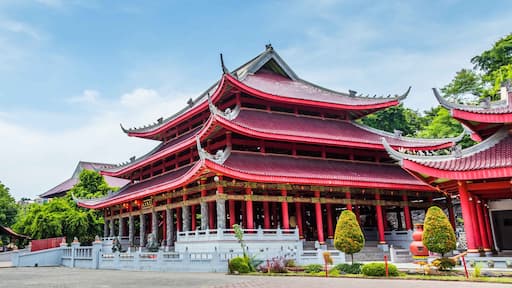
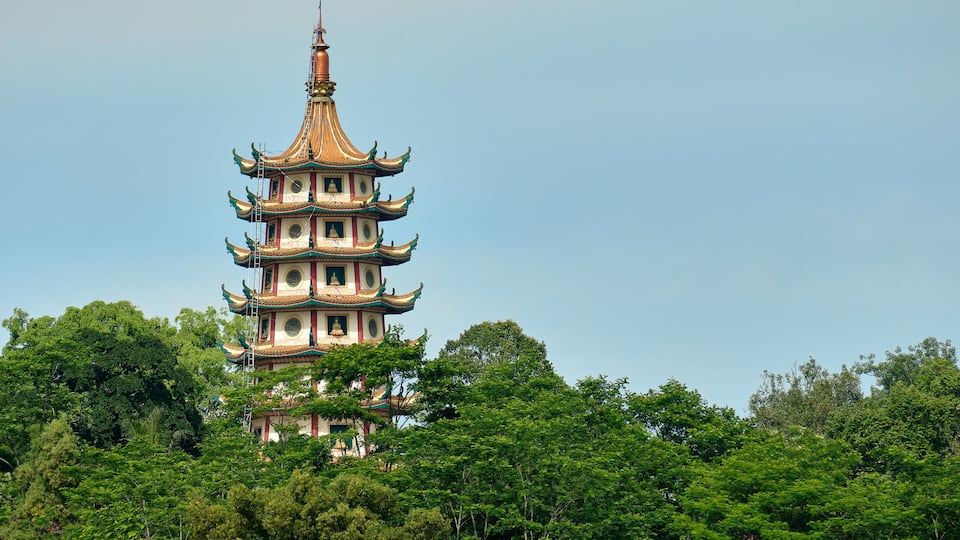
Während deines Besuchs in Banyumanik solltest du Sehenswürdigkeiten wie Transmart Setiabudi Semarang und Pagode Avalokiteshvara einen Besuch abstatten.

Chinatown
Chinatown mag zwar keine Top-Sehenswürdigkeiten bieten, Kota Lama Semarang und Paragon City Mall Semarang sind jedoch zwei Attraktionen in der Nähe, die du besuchen kannst.

Altstadt von Semarang
Altstadt von Semarang ist bekannt für seine Einkaufsmöglichkeiten sowie Top-Attraktionen wie Kota Lama Semarang und Semarang Zeitgenössische Kunstgalerie.
Auf der Suche nach Aktivitäten in der Nähe? Expedia hilft dir dabei, tolle Aktivitäten, interessante Sehenswürdigkeiten unt Top-Attraktionen zu finden und zu buchen – wo auch immer du gerade bist.