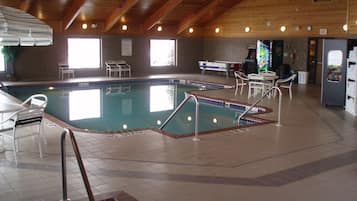
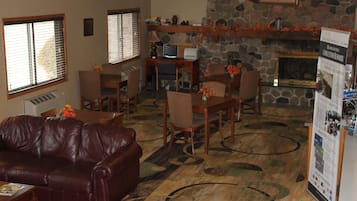
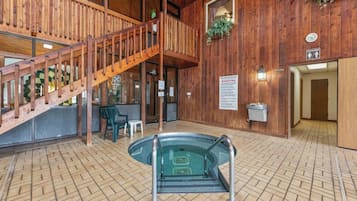
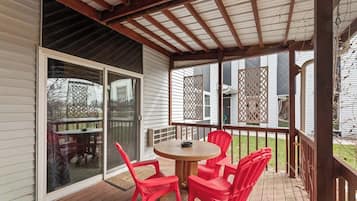
Foto von Eric & Kristy's Adventures
Hotels in Waupun ab 50 €
- Und wenn du deine Meinung änderst?Ganz einfach: Buche Hotels mit kostenloser Stornierung.
- Sei ruhig wählerischStöbere in fast einer Million Unterkünften auf der ganzen Welt.
Probiere es mit einer anderen Unterkunft als sonst in Waupun
Apartment
Überprüfe die Preise für diese Daten
Heute
Morgen
Nächstes Wochenende
In zwei Wochen
Unsere Top-Auswahl an Hotels in Waupun

9.0 von 10, Wunderbar, (478)
Der Preis beträgt 84 €
inkl. Steuern & Gebühren
4. Jan.–5. Jan. 2026

7.6 von 10, Gut, (451)
Der Preis beträgt 65 €
inkl. Steuern & Gebühren

4. Jan.–5. Jan. 2026

8.6 von 10, Hervorragend, (693)

7.8 von 10, Gut, (1002)
Der Preis beträgt 52 €
inkl. Steuern & Gebühren
31. Dez.–1. Jan. 2026

Fairfield Inn & Suites by Marriott Fond du Lac
Fairfield Inn & Suites by Marriott Fond du LacFond du Lac
9.2 von 10, Wunderbar, (61)
Der Preis beträgt 138 €
inkl. Steuern & Gebühren
30. Dez.–31. Dez.

8.4 von 10, Sehr gut, (968)
Der Preis beträgt 50 €
inkl. Steuern & Gebühren
29. Dez.–30. Dez.
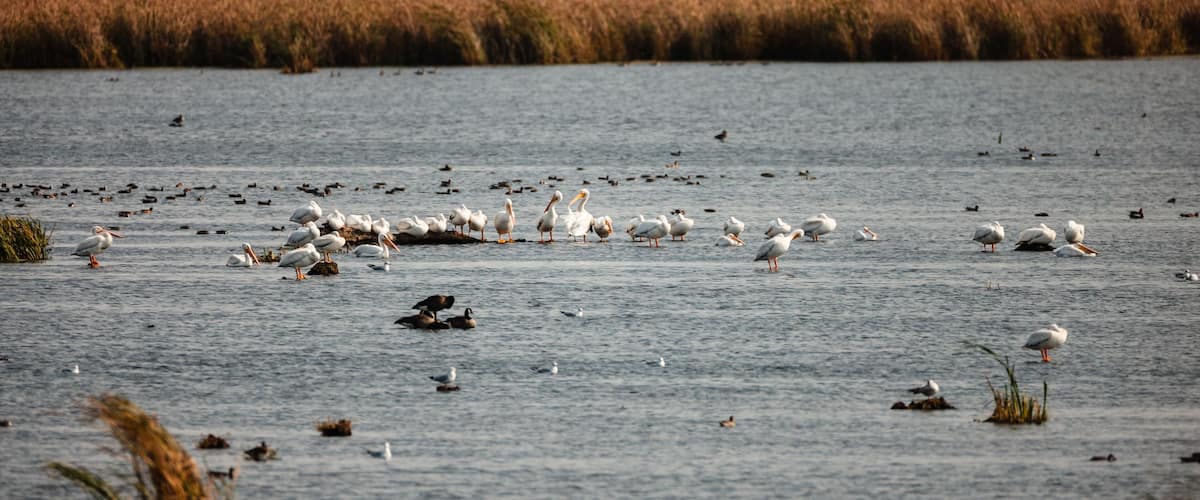
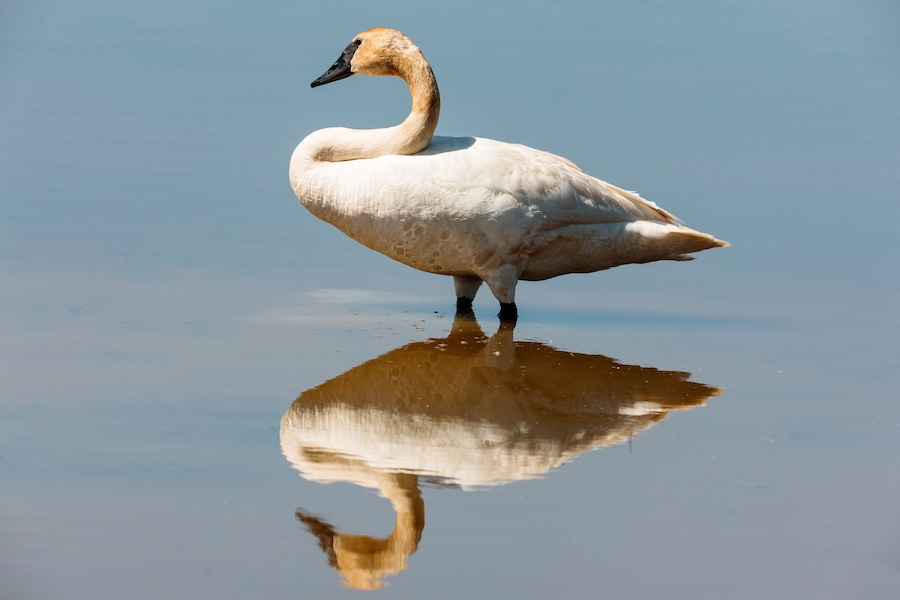
![When in Central Wisconsin take time for the Horicon Marsh.
The Horicon Marsh area has been inhabited by humans, including the Paleo-Indians, the Hopewellian people and the Mound Builders, since the ending of the last Ice Age. Dozens of 1200 year old effigy mounds were built by the Mound Builders in the surrounding low ridges.[1] Arrowheads have been found dating to 12,000 years ago. Later the region was inhabited by the Potawotomi, primarily to the east of the marsh, and the Ho-Chunk to the west. Seven well-traveled Native American foot trails met at the southern end of the marsh at the present location of Horicon.
When Europeans first arrived in the area, they named the marsh "The Great Marsh of the Winnebagos". The first permanent modern settlement along the marsh was the town of Horicon. In 1846, a dam was built to power the town's first sawmill. The dam held the water in the marsh, causing the water level to rise by nine feet. The "marsh" was called Lake Horicon, and was, at the time, called the largest man-made lake in the world.[citation needed]
In 1869, the dam was torn down by order of the State Supreme Court, which ruled in favor of landowners whose land had been flooded.[3] The area became a marsh once more. In 1883, two sportsmen's clubs reported huge flocks of geese in the marsh, and stated that 500,000 ducks hatched annually, and 30,000 muskrats and mink were trapped in the southern half of the marsh.[4] Both birds and hunters flocked to the area, and the local duck population was devastated. From 1910 to 1914, an attempt was made to drain the marsh and convert it into farmland; these attempts failed, and afterwards the land was widely considered to be useless.](https://images.trvl-media.com/place/184221/f493abcd-8f31-420c-9b0c-51acc9693923.jpg?impolicy=fcrop&w=1200&h=500&q=medium)